
10 Signs Your Dog Has Anxiety (And What You Can Do About It)
Your dog might be anxious right now — and you may not even know it. Studies show that 70% of dogs display anxiety signs that their owners completely miss. These aren't just "bad behaviors" — they're cries for help.
The good news? Once you know what to look for, you can help. Here are 10 signs your dog has anxiety — and exactly what you can do about each one.
1 Excessive Barking or Whining
If your dog barks or whines constantly when you leave the house — or even when you're in another room — this is one of the most common signs of separation anxiety. The vocalization often starts within minutes of you leaving and can continue for hours.
You might also notice whining when they sense you're about to leave, like when you grab your keys or put on your shoes.
2 Destructive Chewing or Scratching
Coming home to chewed furniture, scratched doors, or destroyed shoes isn't your dog being "bad" — it's your dog panicking. Destructive behavior is almost always a symptom of anxiety, not disobedience.
Watch for damage concentrated around exit points: doors, windows, and crates. This indicates your dog was trying to escape or reach you.
3 Pacing and Restlessness
An anxious dog can't settle. They pace back and forth, circle before lying down, or constantly shift positions. You might notice this during thunderstorms, fireworks, or when strangers visit.
This restlessness is your dog's fight-or-flight response stuck in the "on" position. Their body is preparing for danger that doesn't exist.
4 Panting When It's Not Hot
If your dog is panting heavily without physical exertion or warm temperatures, stress is the likely culprit. Stress panting is different from exercise panting — it's often accompanied by wide eyes, pinned ears, and a tense body.
This is your dog's body trying to cool down from the internal heat generated by anxiety.
5 Hiding or Excessive Clinginess
Anxious dogs tend to go to extremes: they either hide under furniture, in closets, or behind toilets — or they become "velcro dogs" who follow you everywhere, even to the bathroom.
Both behaviors stem from the same root: fear. Hiding is avoidance; clinginess is seeking safety. Neither is "normal" behavior for a confident, relaxed dog.
6 Accidents Inside the House
If your house-trained dog suddenly starts having accidents, anxiety is almost always the cause. Stress hormones can literally override bladder control, especially in dogs with separation anxiety.
This is not disobedience. Your dog isn't "getting back at you" — they're physically unable to control their bladder under extreme stress.
7 Loss of Appetite
When dogs are stressed, eating becomes a low priority. You might notice your dog leaving food in their bowl, eating much slower than usual, or refusing treats they normally love.
Chronic anxiety can lead to weight loss and nutritional deficiencies, making it important to address the underlying cause.
8 Excessive Licking
Dogs who constantly lick their paws, the air, or furniture are engaging in a self-soothing behavior. Licking releases endorphins, which temporarily calm anxiety — but it's a compulsive cycle that can lead to skin irritation and hair loss.
Watch for "hot spots" on their paws or excessive grooming that leaves fur wet or missing.
9 Aggression or Fearfulness
Growling, snapping, or lunging at shadows, strangers, or other animals is often fear-based aggression. Anxious dogs feel threatened by things that aren't actually dangerous, and aggression is their last-resort defense mechanism.
This is especially concerning if it's a new behavior or if your dog has never shown aggression before.
10 Escape Attempts
Dogs who scratch at doors, jump fences, or try to squeeze through windows are in full panic mode. Escape behavior is the most extreme form of separation anxiety — your dog is literally trying to find you.
This behavior is dangerous: escaped dogs can get hit by cars, lost, or injured. It needs immediate attention.
Help Your Dog Feel Calm Again
If you recognize 3 or more of these signs, your dog likely has anxiety. The good news: it's treatable. gocalmpup Calming Chews are vet-formulated with natural ingredients that calm without sedating.
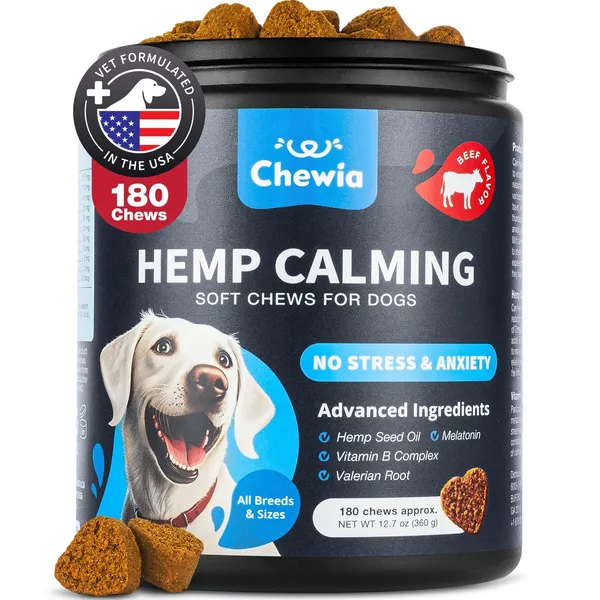
Hemp Calming Chews
Frequently Asked Questions
Ready to Help Your Dog?
Join thousands of dog parents who've helped their anxious dogs feel calm and safe again.
Add to Cart — $49.99